The Lehigh River is one of Pennsylvania’s most productive and accessible trout fisheries, offering world-class fly fishing just an hour from Philadelphia and two hours from New York City. Flowing 109 miles from the Pocono Mountains through the Lehigh Valley to its confluence with the Delaware River, the Lehigh supports a thriving population of brown trout, rainbow trout, and wild brook trout in its tributary streams.
This diverse river system features everything from technical spring creek fishing to aggressive streamer water. With year-round catch-and-release sections, dam-controlled flows that keep water temperatures fishable through summer, and consistent hatches from March through November, the Lehigh offers Pennsylvania fly fishing at its finest.
However, the river’s productivity comes with complexity. Water releases from Francis E. Walter Dam can change flow rates dramatically. Trout move seasonally between the main stem and cold-water tributaries. Prime holding water is scattered among miles of marginal habitat. The boulder-strewn bottom makes wading treacherous in all but a few locations.
That’s where local expertise makes all the difference. At After Work & Over the Limit Outfitters, we’ve spent years learning how this river fishes in all conditions—from navigating optimal flow windows to timing hatch emergences to knowing which runs hold fish at different temperatures. We focus on putting you on productive water, whether we’re anchoring at a tailout, drifting along a feeding lane, or targeting structure that most anglers float right past.
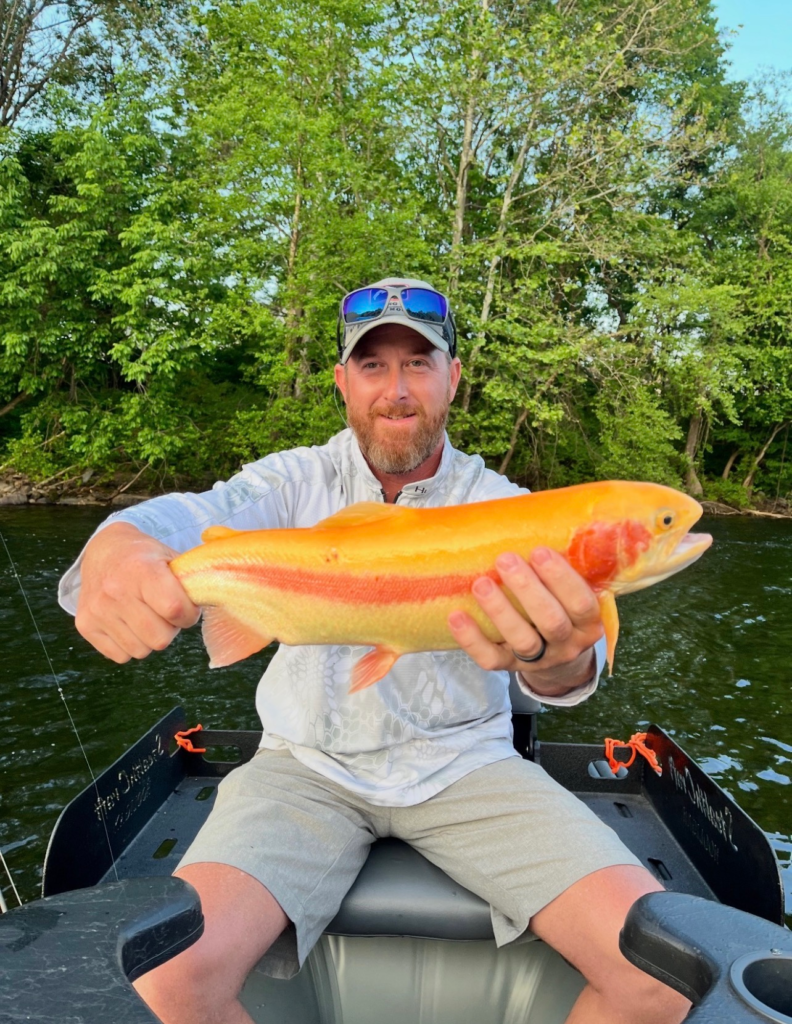
The Lehigh River offers distinct fishing opportunities throughout the year, with each season bringing different hatches, techniques, and target species. Use the buttons below to learn what to expect when you book a guided trip:
Peak Season for Hatches
Spring brings the Lehigh River to life with prolific insect hatches and aggressive, post-spawn trout.
What’s Hatching:
Techniques:
Nymphing with pheasant tails, hare’s ear, and caddis larvae dominates, but dry fly opportunities increase as the season progresses. Water temperatures in the 50s make fish active and willing.
Fish Activity:
Excellent. Spring is arguably the best time to fly fish the Lehigh for numbers and eager trout.
Prime Dry Fly and Terrestrial Season
As water temperatures rise, fishing shifts to early mornings, late evenings, and cooler tributary mouths.
What’s Hatching:
Techniques:
Dry-dropper rigs work well. Focus on early morning (before 10 AM) and evening sessions (after 6 PM) when water temps are cooler. Fish terrestrial patterns along grassy banks.
Fish Activity:
Good during optimal times. Midday fishing slows as water warms, but trout remain catchable with the right approach.
Bass Fishing & Tributary Focus
When main river temperatures exceed 68°F, we shift from trout to smallmouth bass or explore cold-water tributaries.
Smallmouth Bass Fishing:
The Lehigh River is home to an excellent smallmouth bass population that thrives in summer heat. These hard-fighting fish readily take streamers, poppers, and crayfish patterns.
Techniques:
Streamer fishing with clouser minnows, woolly buggers, and articulated patterns. Topwater action with poppers during low-light periods.
Tributary Options:
We also guide trips on smaller, spring-fed tributary streams that remain cool and support wild brook trout and resident browns.
Fish Activity:
Excellent bass fishing. Trout fishing possible in tributaries and on cooler days following rain.
Streamer Season & Fall Spawning Activity
Fall is prime time for targeting large brown trout with streamers as fish become aggressive pre-spawn.
What’s Hatching:
Techniques:
Streamer fishing dominates—swing and strip patterns like sculpin imitations, woolly buggers, and articulated streamers. Nymphing remains productive. Late-season dry fly opportunities on BWO hatches.
Fish Activity:
Excellent. Lower fishing pressure, beautiful foliage, and aggressive fish make fall a favorite season for experienced anglers.
Best Time:
Late September through October before spawning closures in some sections.
The Lehigh River can be an incredibly rewarding fishery—or a frustrating experience—depending on your knowledge of the system. Here’s why booking a guided trip makes all the difference:
Water Flow Management:
Francis E. Walter Dam controls the Lehigh’s flows. Optimal fishing happens at specific CFS (cubic feet per second) levels that change seasonally. We monitor real-time flow data and know which sections fish best at different levels—knowledge that takes years to develop.
Trout Movement Patterns:
Fish migrate between the main river and tributary mouths based on water temperature and oxygen levels. We know where they hold in spring (main river pools), summer (cold tributary confluences), fall (spawning areas), and winter (slow, deep water).
Hatch Timing:
While online charts provide general guidance, actual hatch emergence depends on water temperature, weather, and location. We’ve logged hundreds of days on this river and know when, where, and what bugs will be active.
Hidden Productivity:
The Lehigh has long stretches of marginal water broken by short, incredibly productive runs. We focus our time on water that actually holds fish, not the obvious (but often empty) spots everyone else tries.
Limited Wading Access:
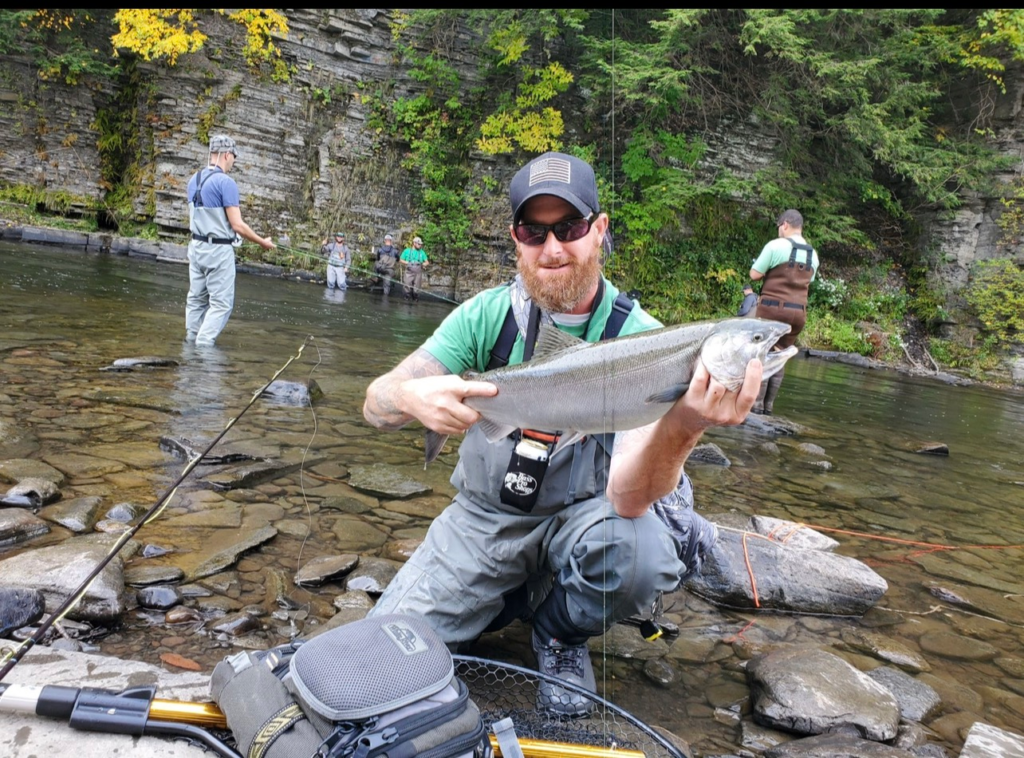
The Lehigh’s boulder-strewn bottom and swift current make wading difficult and dangerous in most sections. Only a handful of areas are safely wadeable.
Drift Boat Advantages:
– Safety and comfort while fishing technical water
Beyond catching fish, you’ll gain skills and knowledge applicable anywhere you fly fish:
Reading Water:
Identify holding water, feeding lanes, and structure that attracts trout
Fly Selection:
Match the hatch and understand subsurface vs. surface feeding behavior
Presentation Techniques:
Achieve drag-free drifts, effective mends, and proper streamer retrieves
Small Groups Only:
Maximum 2 anglers per trip ensures personalized instruction and quality time on the water.
Fish-First Approach:
We don’t waste time on empty water. If a section isn’t producing, we move to find active fish.
Honest Guidance:
We’ll tell you when conditions are tough, what’s realistic to expect, and won’t oversell the experience.
Complete Support:
From teaching complete beginners to helping experienced anglers refine advanced techniques, we meet you at your skill level.
Book Your Lehigh River Trip and experience this incredible fishery the right way—with a guide who knows every riffle, run, and rise.